Additional Coaching Resources
ADDITIONAL RESOURCES COMING SOON.
Baserunning
When running through first base, baserunners should aim to hit the front and middle part of the base. Hitting either corner or on the very top of the base can result in injury either through the players rolling an ankle or slipping on the top part of the base.
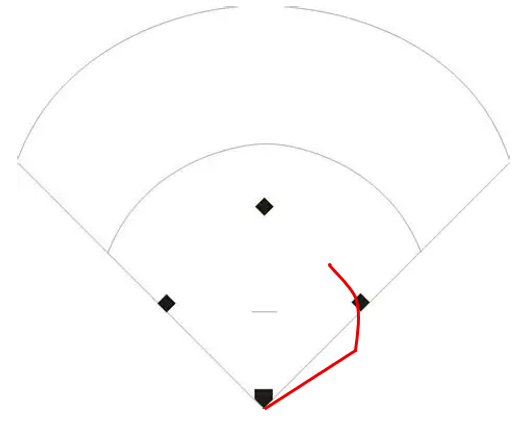
When rounding 1st base on a certain base hit, baserunners should immediately start to veer off the baseline to begin to create their arc around the base. This will create the easiest path for baserunners to have a sharp arc around 1st base. Below is an image of what a proper rounding of the base should look like:
On third base, the runner should take a walking lead of about six feet down the line in foul territory as the ball crosses the plate. The runner's right foot should strike the ground as the ball enters the hitting zone, and they should always be able to tag up on fly balls in the outfield. Any line drive or fly ball should mean a quick tag back to third. The runner should stay in foul territory when taking a lead, but head back to third in fair territory to disrupt the catcher’s attempt to throw a pickoff.
Infield
When getting into their ready position, infielders should be in an athletic stance and on the balls of their feet. As the ball is entering the hitting zone, infielders should be in a position pictured below, with both their thumbs pointed to the sky, as this allows the infielder to turn the glove quickly in either direction.

Outfield
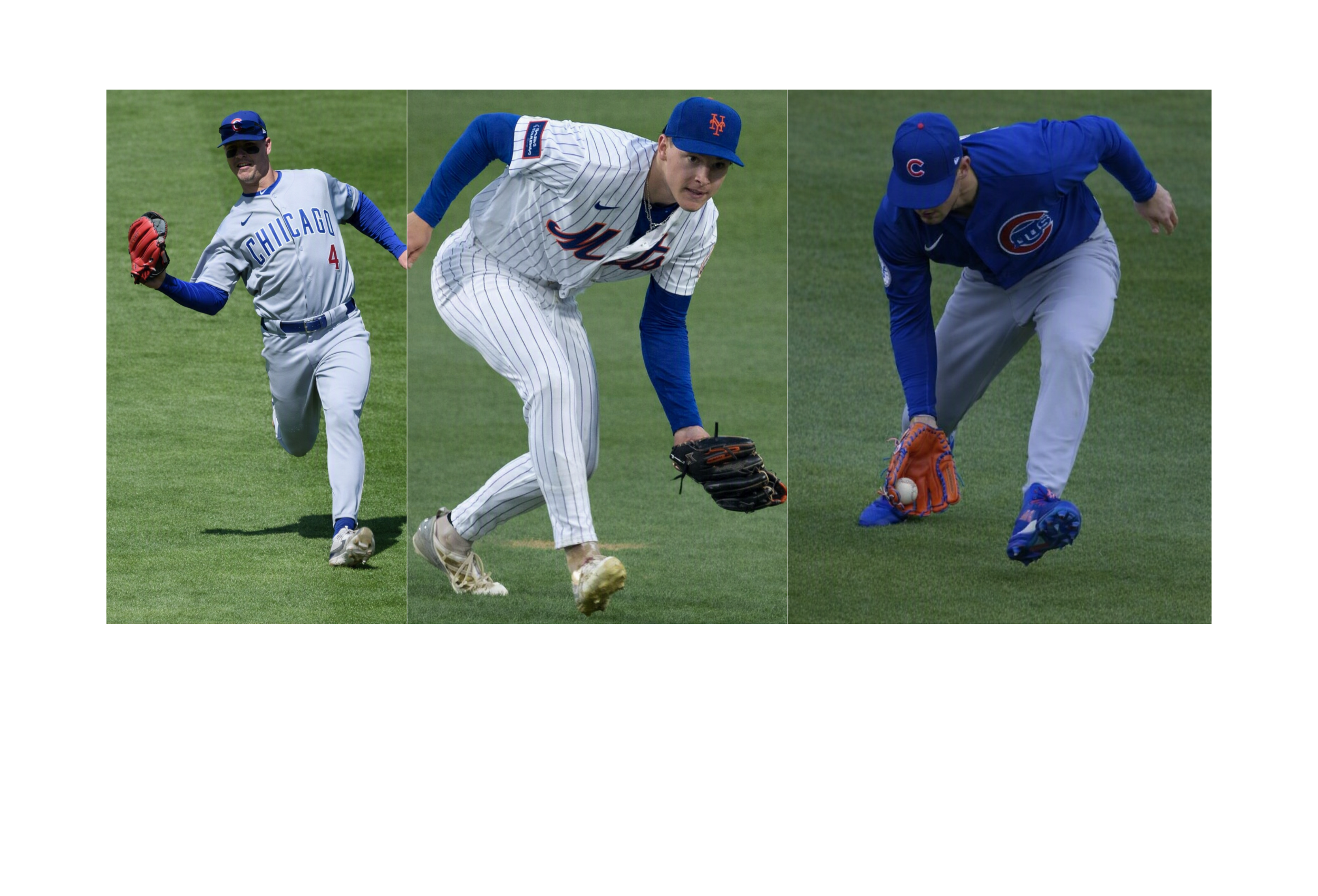
With an outfielder charging the ball to make a throw to a base on a ground ball, the fielder should field the ball with their throwing hand foot in front as they field the ball. This is contrary to what is in the USA Baseball Coaching Course, but this is the way that Baseball Australia teaches fielding a groundball on the run as an outfielder. Below are images of what the technique should look like:
Pitching
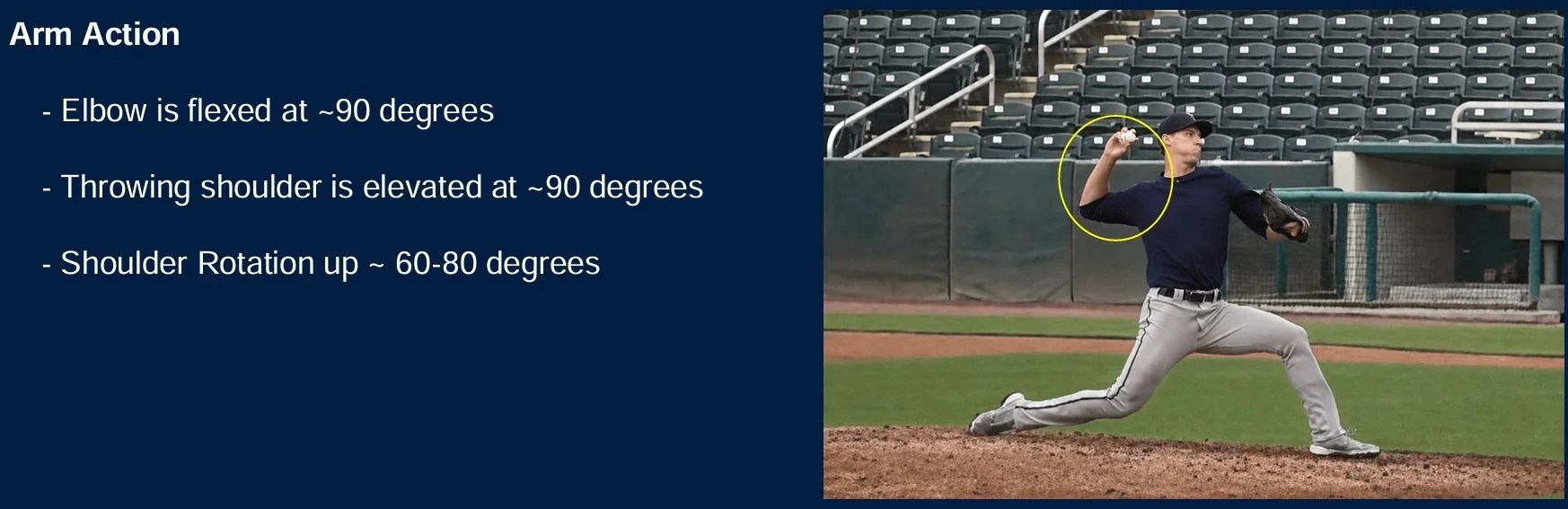
When their front foot lands, pitchers should aim to have their arm in a position where the throwing elbow should be flexed at ~90 degrees and throwing shoulder should be elevated at ~90 degrees. This position has been proven to reduce stress on both the shoulder and elbow and help to alleviate injuries in all pitchers. See what a pitcher should look like at foot strike for proper throwing mechanics: